
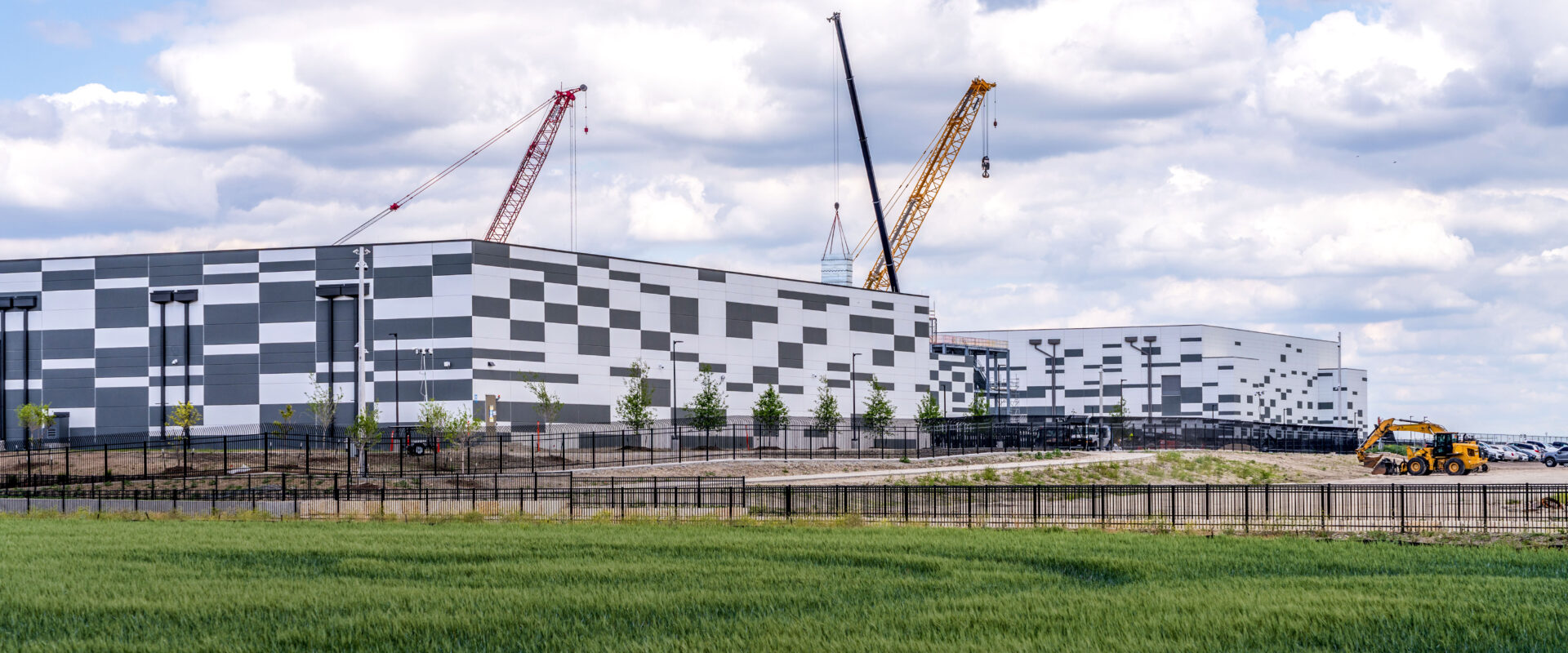
Data Centre Sealing Systems
Data centres are driving a period of significant digital growth by providing the infrastructure that underpins the technologies changing the way we live and work.
As the systems within these buildings become more advanced, the demand on the building envelope’s performance increases.
Protecting the critical infrastructure from fire, water ingress and uncontrolled air movement is vital to its continuous, uninterrupted operation.
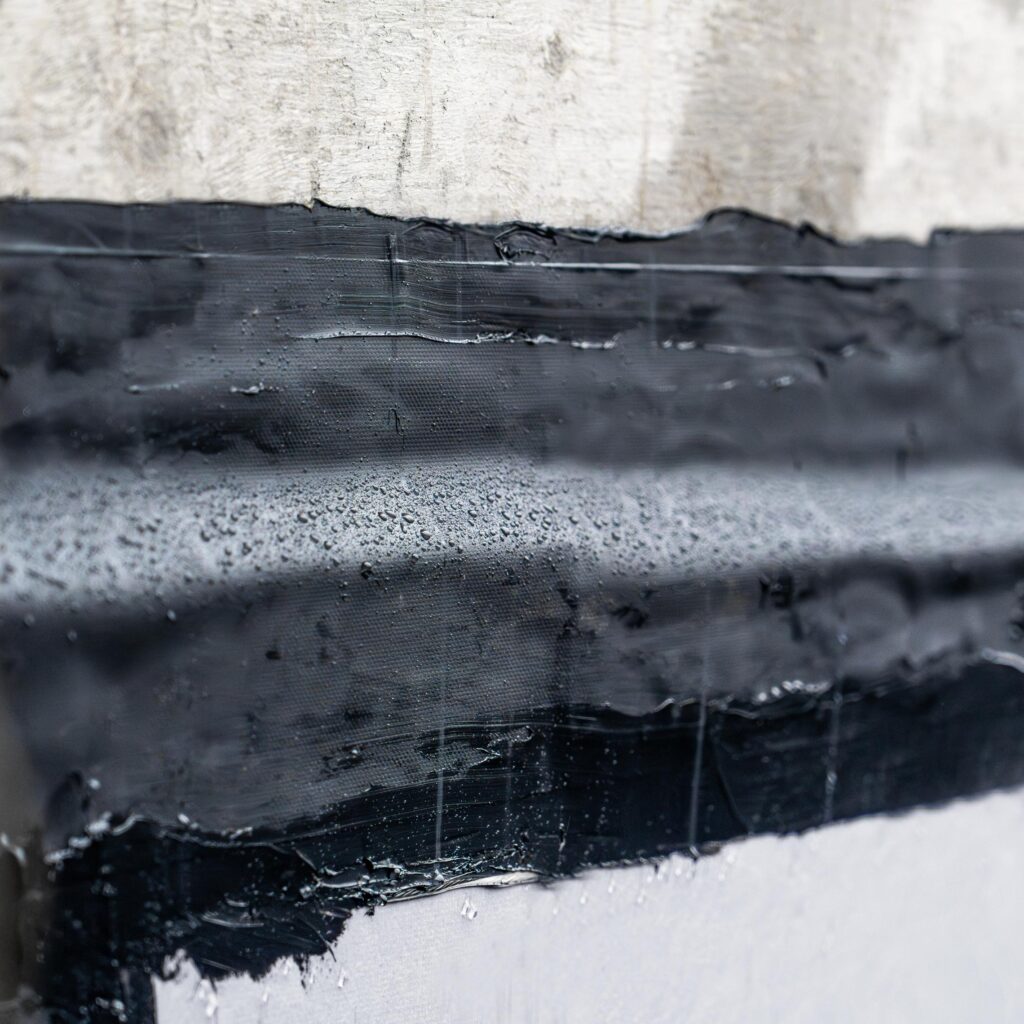
Protection against fire, water and air
The performance and integrity of a Data Centre's external wall envelope depend largely on how the various interfaces within the façade are sealed.
Class A interface sealing membranes and W1-rated breather membranes can form an important part of demanding specifications, with each component working as part of the wider façade build-up to provide effective protection.
Getting these details right helps create an envelope designed to meet the performance demands of a modern data centre.
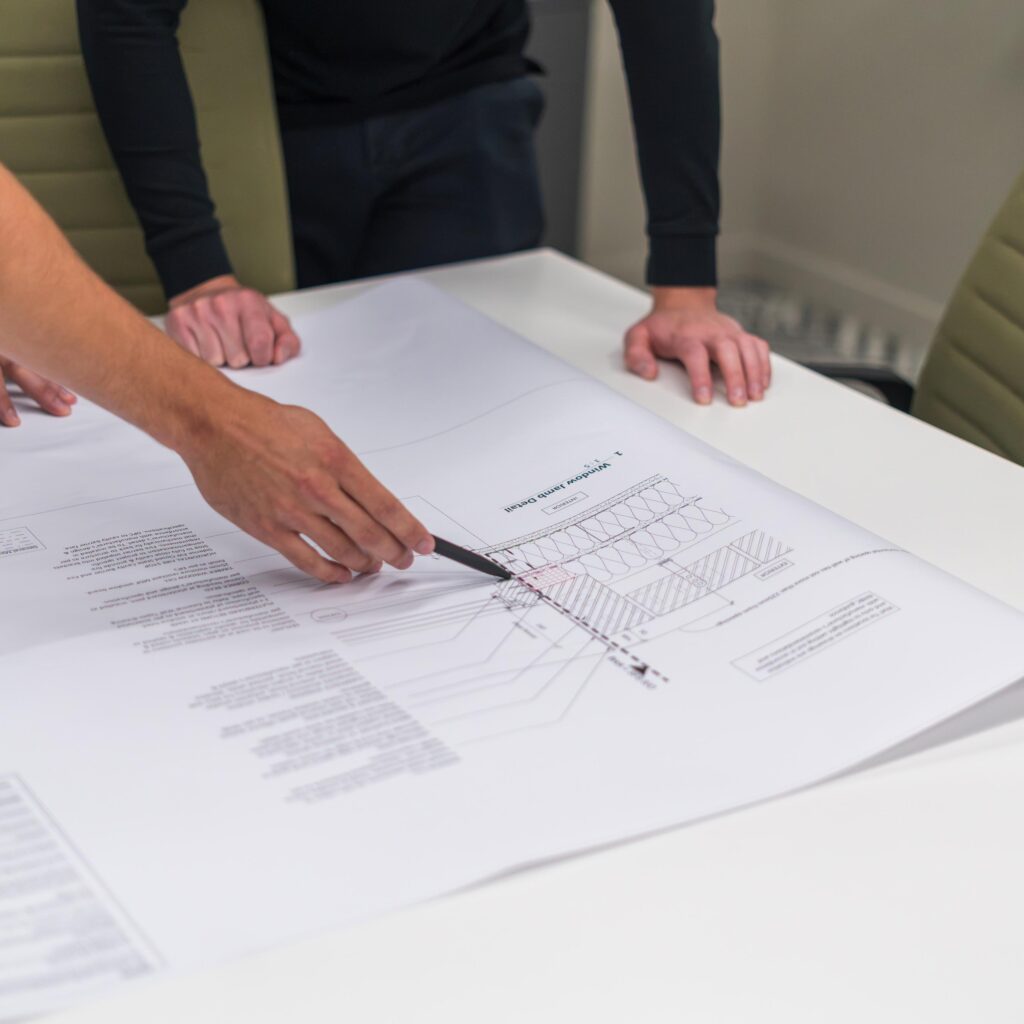
Get the sealing details right early on
The performance and integrity of a Data Centre's external wall envelope depend largely on how the various interfaces within the façade are sealed.
Class A interface sealing membranes and W1-rated breather membranes can form an important part of demanding specifications, with each component working as part of the wider façade build-up to provide effective protection.
Getting these details right helps create an envelope designed to meet the performance demands of a modern data centre.
Get the sealing details right early on
On a Data Centre project, the sealing detail developed for one part of the façade may be repeated across elevations, phases and work packages. Resolving potential challenges early is therefore key to consistent, high-performance façade sealing.
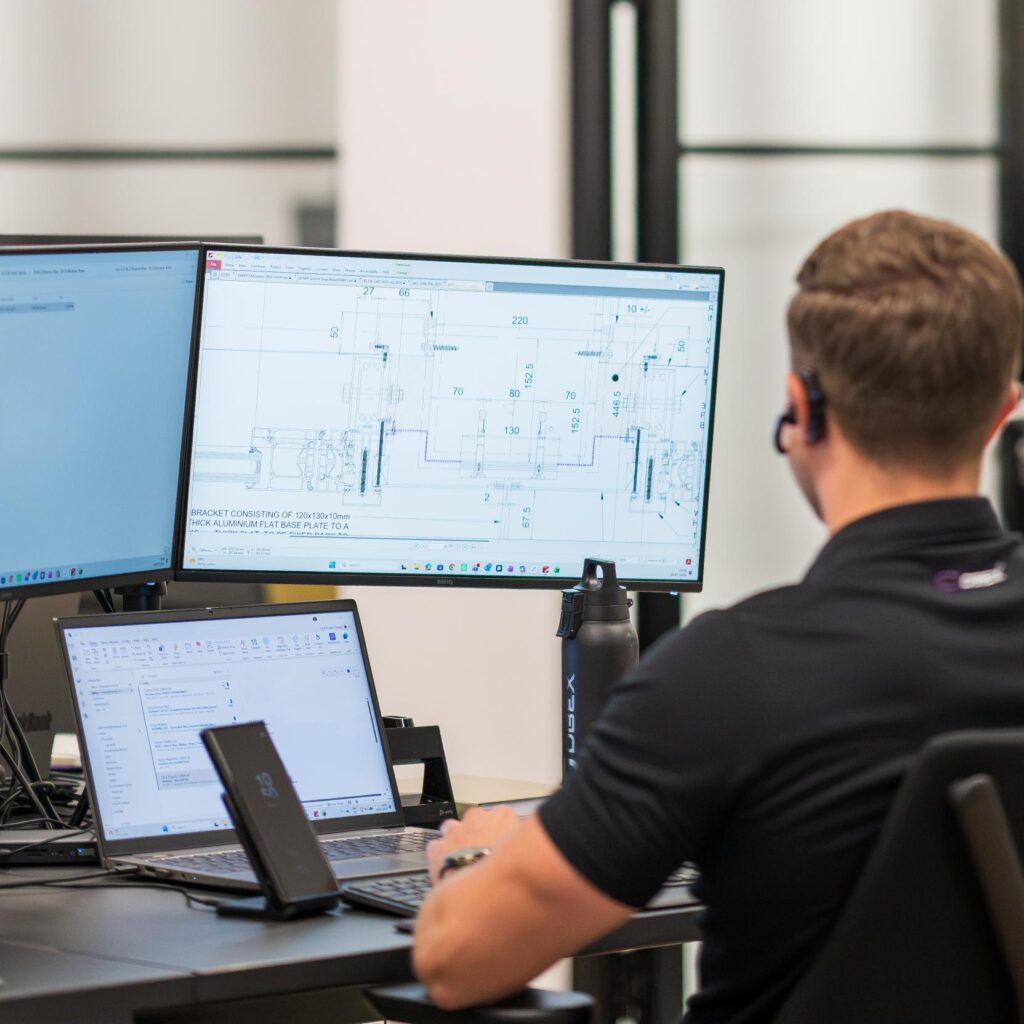
Through-wall mock-ups provide an opportunity for proposed details to be tested before they are replicated throughout the building.
From design intent to a successful installation
A well-designed sealing system still needs to translate to a successful installation.
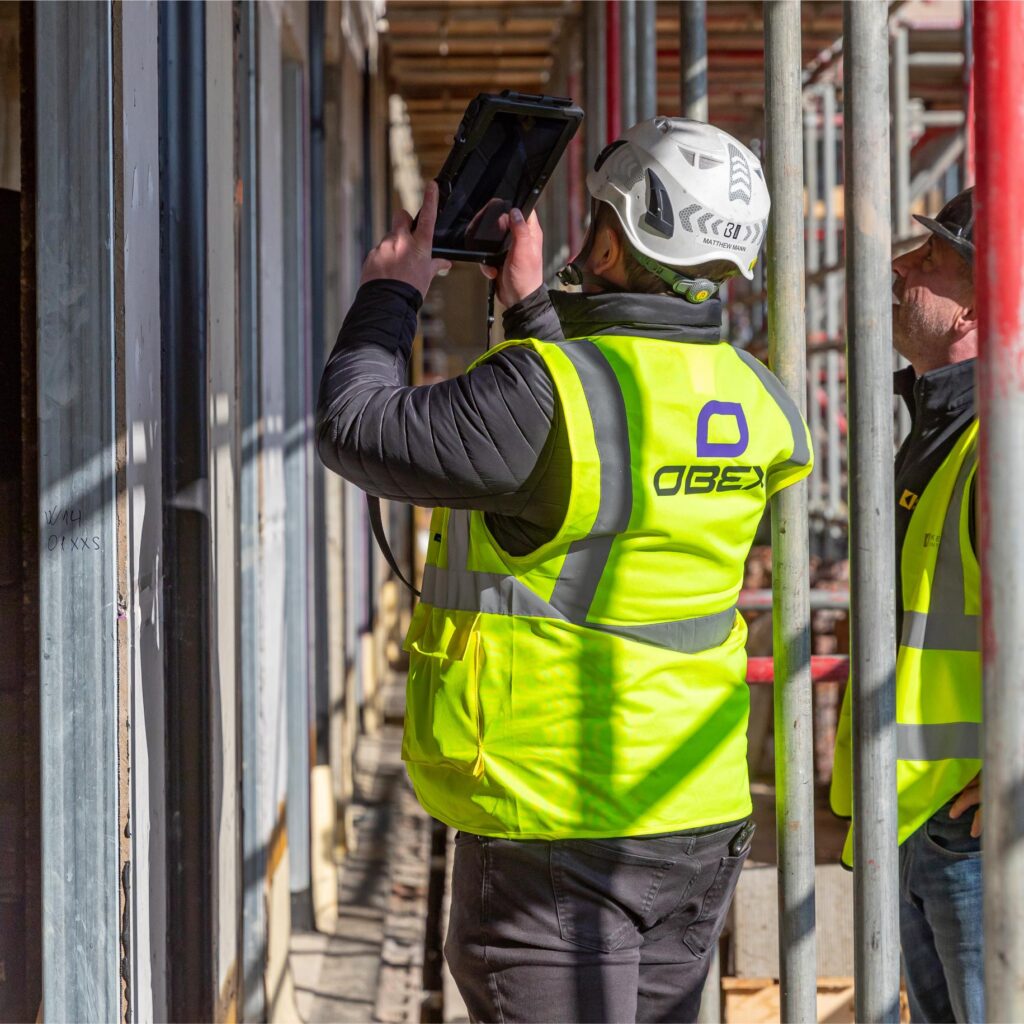
Technical support and on-site training help installers understand how membranes should be applied, including how to seal different interfaces and façade penetrations such as ducts and vents.
As the building takes shape, site inspections and QA reporting provide a clear record of installation quality, helping connect the original design with the finished installation.


Case Studies















Our Accreditations
Your Peace of Mind
BBA British Board of Agrément
OBEX products have third-party approval from BBA (British Board of Agrément), to ensure that their CORTEX Interface Sealing Solutions comply with all relevant performance standards.
Learn More

KIWA BDA Agrément
OBEX utilises KIWA BDA Agrément, an accredited global third-party testing organisation, to ensure that their products comply with industry regulations and performance standards.
Learn More
ISO 9001 & ISO 14001
OBEX has achieved ISO 9001 certification for maintain and continuously improve their quality management systems and processes and ISO 14001, the global benchmark for environmental management systems (EMS).
Learn More